Sublimation Washing Instructions: A Comprehensive Guide
Navigating the world of sublimated apparel requires understanding delicate care practices. This guide details essential washing instructions, ensuring your vibrant designs remain brilliant and last for years, avoiding potential fading.
Understanding Sublimation & Fabric Considerations
Sublimation is a unique process where ink transforms into a gas and bonds with polyester fibers at a molecular level, creating incredibly durable and vibrant prints. Unlike traditional printing methods that sit on the fabric, sublimation becomes part of it. However, the success of maintaining these brilliant colors during washing heavily relies on understanding the fabric composition.
Polyester is key. Sublimation primarily works on polyester or polyester-blend fabrics. The higher the polyester content, the more vivid and long-lasting the print will be. Cotton fibers don’t readily accept sublimation ink, meaning designs on 100% cotton will fade significantly with washing. Blends offer a compromise, but washing requires extra care to protect the sublimated areas.
Fabric weave also matters. Tightly woven fabrics generally hold sublimation better than looser weaves. Consider the garment’s intended use; activewear, frequently washed, benefits from higher polyester content and a tighter weave. Understanding these factors is crucial for selecting appropriate washing techniques and detergents, ultimately preserving the integrity of your sublimated designs.
The Importance of Proper Washing for Sublimated Items
Incorrect washing techniques can drastically reduce the lifespan and vibrancy of sublimated designs. While the ink bonds with polyester fibers, harsh detergents, high temperatures, and abrasive washing cycles can still cause fading and damage over time. Think of it as protecting an investment – proper care ensures your garment remains visually appealing for longer.
Aggressive washing breaks down fibers. Repeated exposure to harsh chemicals weakens the polyester, causing the ink to become less secure. This leads to noticeable fading, cracking, and a generally worn appearance. Furthermore, improper drying methods, like high heat, can set wrinkles and further degrade the fabric and print quality.
Gentle care preserves the bond. By following recommended washing instructions – cool water, mild detergent, and gentle cycles – you minimize stress on the fabric and maintain the integrity of the sublimation process. Proactive care isn’t just about preventing immediate damage; it’s about extending the garment’s life and preserving the original brilliance of the design for years to come.
Pre-Washing Precautions
Before the first wash, take a few crucial steps to safeguard your sublimated garment. Initial preparation significantly impacts long-term vibrancy. Begin by carefully inspecting the item for any loose threads or embellishments; these could cause issues during the wash cycle. Gently remove them to prevent snagging or damage to other clothes.
Address potential color transfer. While sublimation ink is generally colorfast, some excess dye might remain on the surface, especially after initial production. A cold water soak for 15-30 minutes can help release this excess dye, minimizing the risk of bleeding onto other items during the first wash. Do this separately!
Pre-treat any stains cautiously. If a stain is present, avoid harsh stain removers containing bleach or strong chemicals. Opt for a mild, color-safe stain remover and test it on an inconspicuous area first to ensure it doesn’t affect the sublimated design. Remember, prevention is key – address stains promptly and gently.
Checking the Garment Care Label
The garment’s care label is your primary source of washing guidance. Always prioritize the manufacturer’s instructions, as fabric composition and sublimation processes can vary. These labels provide specific details tailored to that particular item, ensuring optimal care and longevity of the design.
Deciphering the symbols is crucial. Look for symbols indicating washing temperature, drying methods, ironing suitability, and bleaching restrictions. A symbol depicting a washing machine with a temperature number indicates the maximum safe washing temperature. A circle within a square signifies tumble drying, with dots indicating heat levels.
Pay attention to “Do Not” symbols. A crossed-out symbol means that particular action is prohibited. For example, a crossed-out iron indicates the garment should not be ironed. Ignoring these warnings can lead to irreversible damage to both the fabric and the sublimated design. When in doubt, err on the side of caution and follow the gentlest recommended settings.
Washing Machine Settings: Temperature
Temperature control is paramount when washing sublimated items. High temperatures can cause colors to fade and potentially damage the fabric fibers, diminishing the vibrancy of your design. Generally, cold water (around 30°C or 86°F) is the safest and most recommended option for preserving sublimation prints.
Avoid hot water at all costs. Even lukewarm water can contribute to color bleeding and fading over time. While some durable polyester fabrics might tolerate slightly warmer temperatures, it’s best to stick to cold water as a universal rule. This minimizes the risk of any adverse effects on the sublimation ink.
Consider the fabric type. If the garment is a blend, prioritize the temperature suitable for the most delicate fiber. Always check the care label, but when uncertain, cold water is your best bet. Consistent use of cold water will significantly extend the life and brilliance of your sublimated apparel.
Washing Machine Settings: Cycle

Selecting the appropriate wash cycle is crucial for maintaining the quality of sublimated garments. Harsh agitation can cause fading and wear, so opting for a gentle cycle is highly recommended. A delicate or hand-wash cycle provides the least amount of mechanical stress on the fabric and the sublimated design.
Avoid using heavy-duty or permanent press cycles, as these employ more vigorous washing actions. These cycles can break down the polyester fibers and cause the ink to lift or fade. A shorter wash cycle is also preferable, minimizing the overall exposure to water and detergent.
If your washing machine has a specific setting for sportswear or activewear, this can be a suitable option. These cycles are typically designed for synthetic fabrics and offer a gentler wash. Remember to always prioritize a cycle that minimizes agitation and maximizes fabric protection to ensure long-lasting vibrancy.
Detergent Selection: Dos and Don’ts
Choosing the right detergent is paramount to preserving the brilliance of your sublimated designs. Opt for a mild, pH-neutral detergent specifically formulated for delicate fabrics or colors. These detergents are less likely to contain harsh chemicals that can strip the ink or damage the polyester fibers.
Avoid detergents with bleach, optical brighteners, or fabric softeners, as these can cause fading and discoloration. Powdered detergents are generally not recommended, as they may not dissolve completely and can leave residue on the fabric. Liquid detergents are a safer choice, ensuring thorough rinsing.

Consider detergents specifically designed for sportswear or activewear, as they are often formulated to protect synthetic fabrics and maintain elasticity. Always use the recommended amount of detergent, as excessive amounts can be difficult to rinse out and may contribute to fading. A little goes a long way in protecting your investment!
Using Fabric Softener & Bleach
When it comes to sublimated garments, both fabric softener and bleach are strictly prohibited. Fabric softener coats the polyester fibers with a waxy residue, hindering the ink’s ability to bond with the fabric. This leads to premature fading, cracking, and a diminished vibrancy of the design over time. Avoid all types of fabric softeners – liquid, sheets, or even those added during the dryer cycle.
Bleach, even diluted, is incredibly damaging to sublimated prints. It breaks down the polyester fibers and aggressively lifts the dye from the fabric, resulting in irreversible discoloration and a severely faded appearance. Never use chlorine bleach or oxygen bleach on sublimated items.
Stain removal should be approached cautiously, opting for gentle spot treatments specifically designed for synthetic fabrics. Harsh chemicals will compromise the integrity of the sublimation process and drastically shorten the lifespan of your colorful designs.
Turning Garments Inside Out
A crucial step in preserving your sublimated designs is always turning garments inside out before washing. This simple act provides a protective barrier, minimizing direct friction between the printed design and the abrasive action of the washing machine drum, as well as other clothing items. By shielding the sublimation print, you significantly reduce the risk of fading, scratching, or cracking.
Think of it as safeguarding the vibrant colors from unnecessary wear and tear. The inside of the garment experiences less external stress during the wash cycle, allowing the sublimation ink to remain securely bonded to the polyester fibers. This practice is especially important for items with large or intricate designs.
Make it a habit – consistently turning garments inside out will dramatically extend the life and brilliance of your sublimated apparel, ensuring they remain visually appealing wash after wash.
Washing with Similar Colors
To maintain the vibrancy of your sublimated items, always wash them with garments of similar colors. While sublimation ink bonds directly with the fabric fibers, minimizing bleed, washing with contrasting colors can still lead to dye transfer from other clothing, potentially dulling the brilliance of your sublimated design. This is particularly true with new or heavily dyed items.
Separate your laundry carefully, grouping light colors together and dark colors together. Avoid washing sublimated apparel with items prone to significant dye release, such as brand-new jeans or brightly colored reds and blues. This precaution safeguards against accidental color contamination.
Consider a dedicated wash load for your sublimated clothing, especially for the first few washes. This minimizes any potential risk and ensures your designs remain as vivid as the day you received them, preserving their original beauty for years to come.
Drying Methods: Air Drying vs. Machine Drying
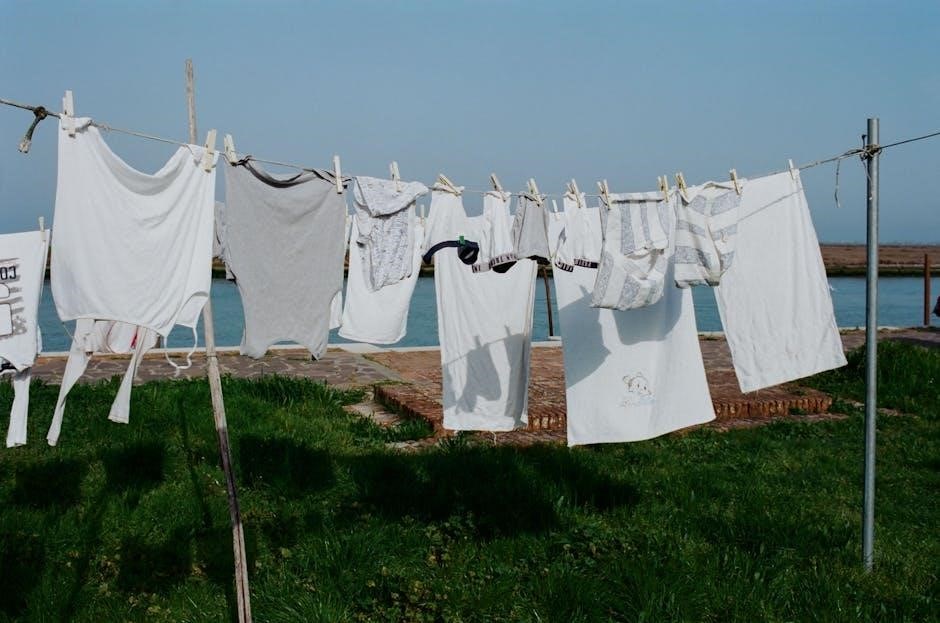
When it comes to drying sublimated garments, you have two primary options: air drying and machine drying. Air drying is generally considered the safest method, as it eliminates the risk of heat damage that can potentially affect the vibrancy of the sublimation print. Simply hang the garment on a clothesline or drying rack, away from direct sunlight, to preserve colors.
Machine drying is acceptable, but requires caution. Excessive heat can cause fading or even cracking of the sublimated design over time. If opting for machine drying, always use a low heat setting and consider removing the garment while it’s still slightly damp.
Prolonged exposure to high heat should be avoided. Air drying extends the life of the print, while careful machine drying offers convenience without significant risk, ensuring your sublimated apparel remains visually appealing for a longer duration.
Machine Drying Settings: Heat Levels
Selecting the appropriate heat level is crucial when machine drying sublimated clothing to prevent damage to the vibrant designs. High heat is the enemy, potentially causing colors to fade, crack, or even peel over time. Always prioritize lower temperature settings to safeguard your investment.
The ideal setting is typically “Low” or “Delicate.” These options utilize gentler heat, minimizing the risk of compromising the sublimation print. Avoid settings like “High,” “Normal,” or “Hot” at all costs, as they can be excessively harsh.
If your dryer offers a “Cool Down” cycle, utilize it. This feature finishes the drying process with cool air, further protecting the garment. Regularly checking the item during the drying cycle is also recommended, removing it slightly damp to complete the process via air drying. Prioritizing lower heat levels ensures longevity and maintains the brilliance of your sublimated apparel.

Ironing Sublimated Items
Ironing sublimated garments requires a cautious approach to avoid damaging the delicate ink bond. Direct heat can cause the sublimation dyes to reactivate and potentially distort or fade the design. Therefore, minimizing ironing is always the best practice, but when necessary, specific techniques must be employed.
Always iron the garment inside out. This creates a barrier between the iron and the sublimated design, reducing direct heat exposure. Use a low heat setting on your iron – ideally the “Synthetic” or “Delicate” setting – and avoid using steam. Steam can also contribute to color bleeding or distortion.
Place a protective layer, such as a clean cotton cloth or parchment paper, between the iron and the fabric. This further buffers the heat and prevents direct contact. Gently press the iron across the fabric, avoiding prolonged contact in any one area. Quick, light passes are preferable. If possible, consider using a heat press on a low setting with a protective sheet for optimal results.
Avoiding Common Washing Mistakes
Several common laundry errors can significantly diminish the vibrancy and longevity of sublimated designs. One frequent mistake is washing new sublimated items with darker colors, leading to dye transfer and a muted appearance. Ignoring care labels and using excessively hot water is another detrimental practice, as heat accelerates dye fading.

Overloading the washing machine is also problematic. It prevents proper rinsing, leaving detergent residue that can attract dirt and dull the colors. Harsh detergents containing bleach or optical brighteners are particularly damaging, breaking down the sublimation ink over time. Similarly, aggressive washing cycles, like “Permanent Press,” can cause unnecessary wear and tear.
Failing to turn garments inside out before washing exposes the design directly to abrasion during the wash cycle. Lastly, high-heat drying, especially prolonged exposure, is a major culprit in fading. By consciously avoiding these pitfalls, you can safeguard your sublimated apparel and enjoy its brilliance for years to come.
Long-Term Care & Maintaining Vibrancy
Preserving the brilliance of your sublimated items extends beyond just proper washing; it requires a commitment to long-term care. Minimize washing frequency, only laundering when genuinely necessary, to reduce cumulative wear on the design. When storing, avoid direct sunlight, which can cause fading over time, and opt for cool, dark, and dry environments.
Consider using garment bags for added protection during storage and travel. When ironing, always use a low heat setting and a pressing cloth to prevent direct contact between the iron and the sublimated area. Regularly inspect your garments for any signs of wear or damage, addressing them promptly to prevent further deterioration.
Investing in high-quality detergents specifically designed for delicate fabrics can also contribute to longevity. By consistently implementing these preventative measures, you’ll ensure your sublimated designs remain vibrant and captivating, resisting the effects of time and maintaining their original beauty for years to come.